How to Book a Talk with Kerry Makin-Byrd
Kerry Makin-Byrd, PhD is a sought after speaker whose trainings and talks have inspired, educated, and entertained audiences across the United States and New Zealand (rave reviews here). She regularly speaks at libraries, bookstores, medical and mental health clinics, and to professional organizations.
Watch and listen to Kerry Makin-Byrd discussing burnout, psychology, and her books here. Reach out to discuss booking Kerry as a speaker here.
All topics below are available in three different formats:
- Free or discounted 45 - 90 minute webinars,
- Paid in-person talks, and
- Half and full day staff trainings. All professional workshops include interactive and experiential components as well as science-based recommendations, scripts, and resources within 50+ page learner workbooks.
The Book Talks
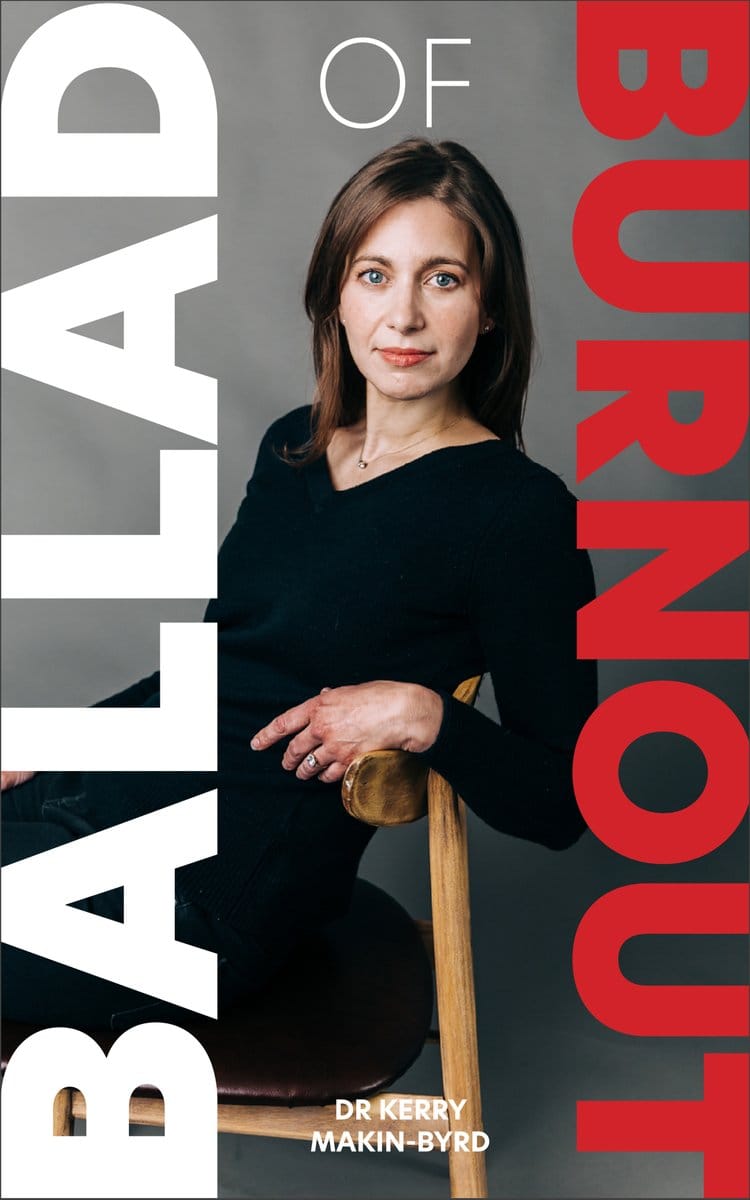
The Lies We Tell About Burnout and Self-Care
Clinical psychologist Kerry Makin-Byrd appeared successful and balanced. She treated trauma survivors at the University of California, San Francisco and published research at the National Center for PTSD and New York University. But as COVID-19 spread across the globe, Kerry joined approximately 5 million medical professionals experiencing work burnout.
This talk details first her unraveling, then her journey to a new peace. Makin-Byrd reports her disintegration (and the lies that fueled it) with wrenching precision. Happily, her evolution receives the same care and scrutiny. Drawing from her expertise in posttraumatic growth, moral injury, and compassion practices, she deftly integrates the wisdom of poets, philosophers, and scientists into a healing roadmap for us all.
Kelly McGonigal, PhD, Oprah's Magazine 2020 Visionary and best-selling author of Joy of Movement,The Upside of Stress, and The Willpower Instinct, described the work as “devastatingly honest, reads like a confession and sings with humanity, just what I needed.” Ballad of Burnout is a travel log to transformation and a love letter to all helpers. Recommended for every teacher, medical professional, caregiver, and working parent who is exhausted.
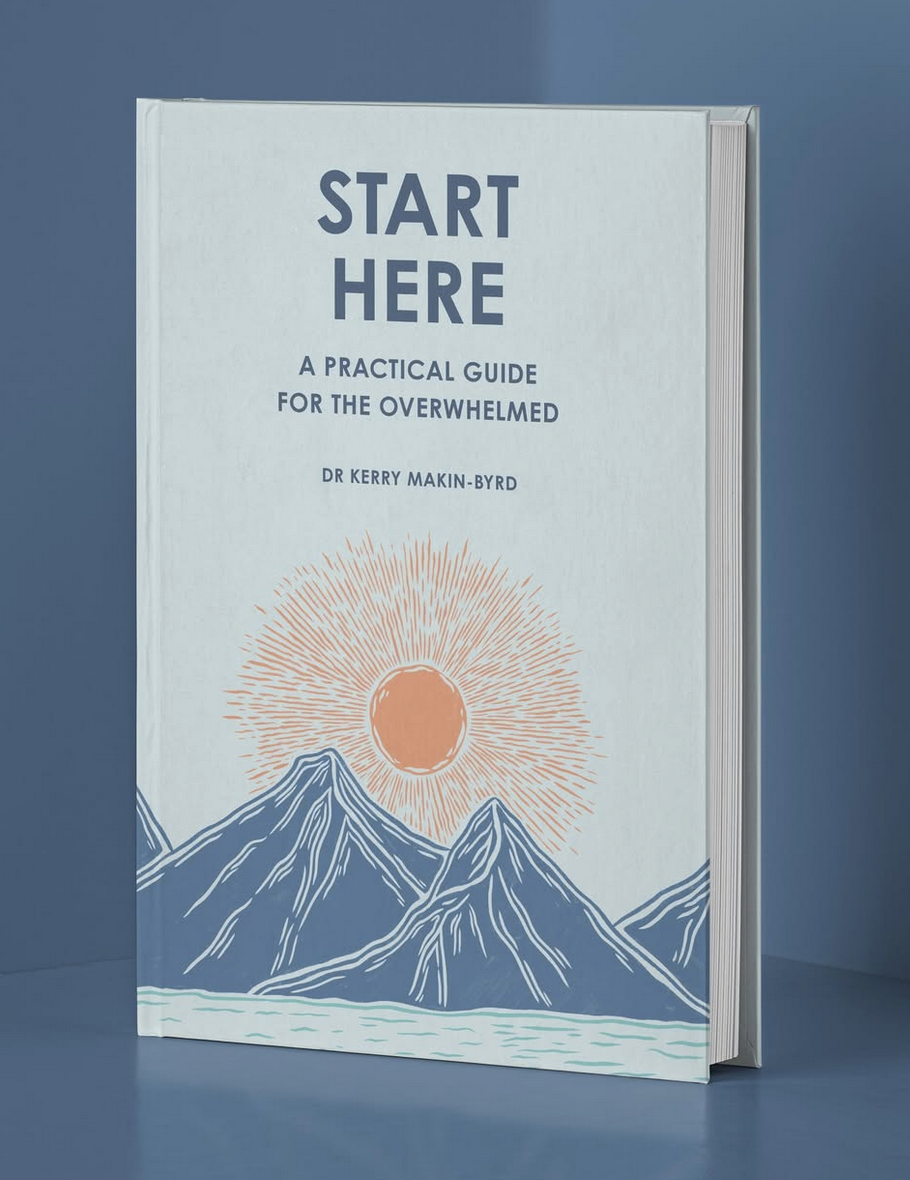
Start Here: The Story Behind This Practical Guide To Overwhelm
Many of us yearn for a map which will guide us from languishing to flourishing, narrated by an expert who has climbed the same mountain. Dr. Makin-Byrd's second book is that map - distilling a century of science into a three-step recipe for treating burnout: Soothe, transcend, then move.
Widely praised and frequently shared, Steven C. Hayes, Ph.D., originator of Acceptance and Commitment Therapy, calls START HERE "the rare kind of self-help book—deeply humane, scientifically grounded, and courageously honest" and Sharon Salzburg, international compassion and mindfulness teacher, describes START HERE as "a no-nonsense roadmap for connecting people with their deepest intentions."
With her signature style of warmth, humour, and practical advice, clinical psychologist and author Dr. Kerry Makin-Byrd shares a behind-the-scenes tour of the development of this emotional life manual including reader favourite tips.

Keep Going: Regenerative Home and Work Practices After Burnout
After the publication of START HERE, Dr. Kerry heard one question again and again, "How do I build a different life after burnout?" Join Kerry for a sneak peek of her third book, a science-based and soul-stretching guide to building a sustaining and fulfilling life after burnout. Drawing on evidence-based models of burnout and moral injury, Kerry weaves together personal experience, case examples, and novel individual and collective practices to author your own next chaper.
The full-day interactive training is designed for helpers who have experienced burnout — past, present, or anticipated — as well as those who support others navigating burnout or moral injury. This workshop is equally suited to helpers who want to build more sustainable practices before burnout takes hold, and to those who feel like they "should know all this already" but recognise that this work is frequently easier said than done.
By the end of the day, participants will have:
- a clear understanding of the evidence-based pathways to burnout and moral injury,
- language and frameworks for three sustaining skills that are rarely taught but immediately usable,
- a renewed connection with what they love about their work — and about the rest of their lives
- and a personalised written plan for regenerative work and nonwork practices they can begin immediately
Special Topics

ACT for Burnout
Help yourself and your clients reduce the risk of burnout using Acceptance and Commitment Therapy. Work burnout is skyrocketing among helping professionals. This workshop is for anyone supporting people who are struggling with burnout: clients, supervisees, colleagues, or yourself. Acceptance and Commitment Therapy-informed approaches offer unique, evidence-based additions to our understanding of burnout and to the standard interventions often used to treat it (Towey-Swift, Lauvrud, & Whittington, 2022). In this workshop, Kerry outlines how an ACT framework can help clinicians use evidence-based individual and system-level practices to identify, alleviate, and prevent burnout.
Far different from the standard boiler plate burnout talk, Kerry's approach is different in a number of ways:
- She actively engages the tension between the very real system-level drivers of burnout and the reality that meaningful relief often begins with individual change.
- She helps clinicians understand the connection between values and vulnerabilities—and why this matters for resilience and returning to work post-burnout.
This fully revised 2026 training includes two important additions: (a) integrated shame and moral injury interventions that essential for those working in high-risk and service-focused professions and (b) a review of cognitive distortions common among helpers that fuel burnout (and what to do about them)

Wise, Fierce, or Tender: Compassion for Self and Others as a Clinical Tool
Compassion is not a single thing. It can be tender and soothing, but it can also be fierce, protective, and activating — and knowing which form of compassion a moment calls for is one of the most underrated skills available to helpers and therapists. In this workshop, Dr. Kerry Makin-Byrd — New Zealand's only certified Compassion Cultivation Training instructor — introduces participants to a rich, evidence-informed framework for understanding and practising three distinct expressions of compassion: for self, for others, and from others. Drawing on the Compassion Cultivation Training curriculum developed at Stanford University and the tenets of Compassion Focused Therapy and Mindful Self-Compassion, Kerry shows how active compassion maps directly onto core flexibility processes in third-wave behavioural therapies, making it immediately usable across a range of clinical presentations including grief, shame, and burnout.
Participants complete a compassion assessment, engage in guided exercises, and explore cultural and clinical adaptations through case discussion and — in the extended formats — structured role plays. The full-day workshop includes a workbook and a significantly richer experiential component with dedicated time for personal reflection. The 60-minute version offers a focused introduction to the framework and its clinical applications, suited to conference keynotes, professional development days, and collegial training events.

When The News Is Too Much: Staying Grounded And Purposeful Amid A Suffering World
How do we continue the work we love — work that brings us into repeated contact with suffering, locally and globally — while also living lives that offer us rest, renewal, and genuine hope? This is not a question with a simple answer, but it is one that Dr. Kerry Makin-Byrd believes deserves to be taken seriously. Anchored in the wisdom of research and contemplative traditions, this talk offers a practical and honest exploration of what it means to stay present and purposeful when the weight of national and international events threatens to overwhelm us.
This talk is for anyone who cares about the state of the world and is trying to figure out how to keep going. It will speak with particular directness to helpers, caregivers, and those whose work brings them into sustained contact with others' pain. In the 45-minute format, Kerry offers a focused set of frameworks and practices for building what she calls a sanctuary: an inner and outer life that is constructed to be renewing. In the extended workshop format, participants have the opportunity to explore these ideas in small groups with time for reflection, discussion, and the slow, meaningful work of developing a personalised plan.
Coming Soon!
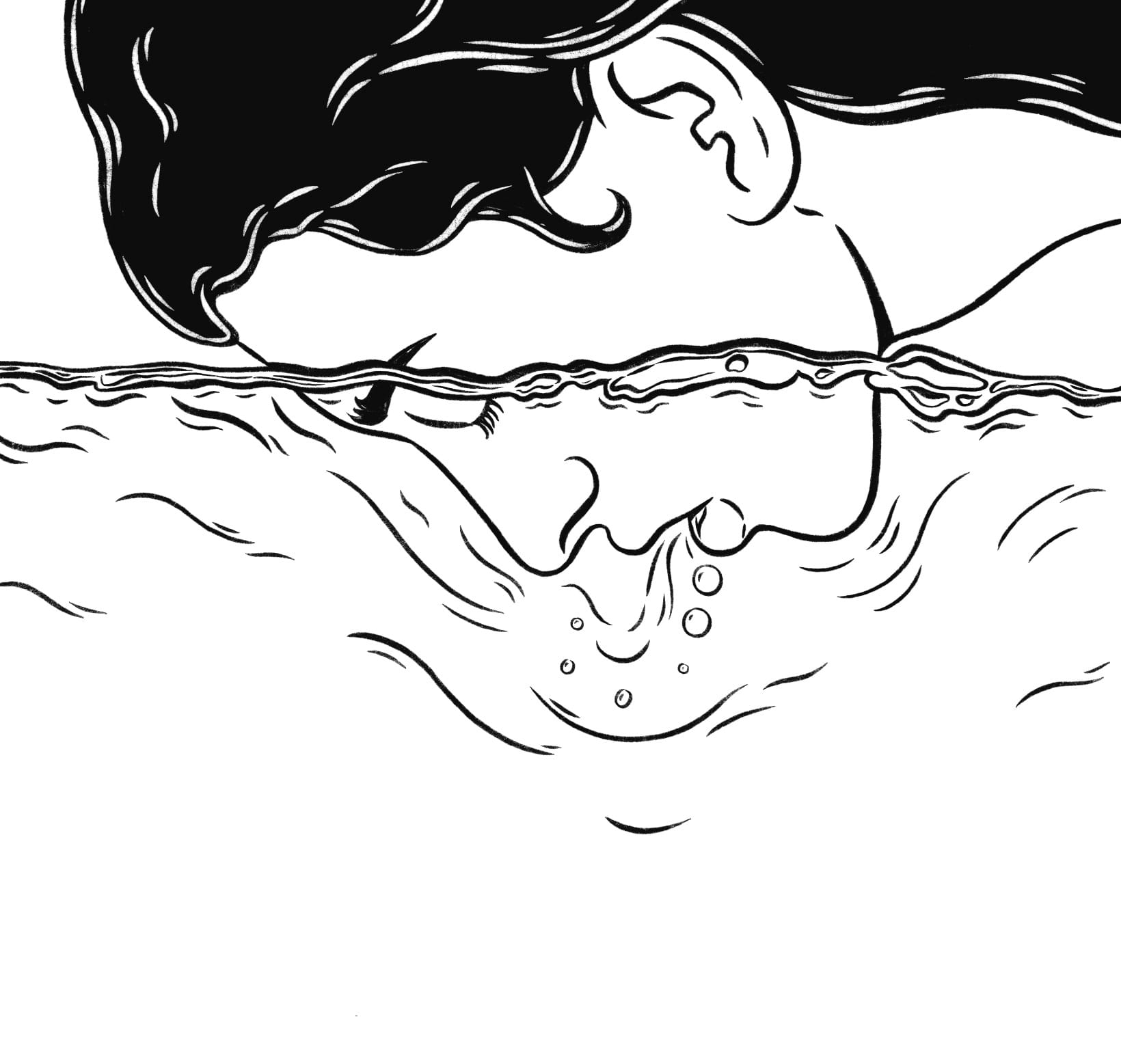
Trauma-Sensitive Mindfulness and Compassion Practices
Mindfulness practices carry real benefits but little attention is given in mindfulness training to the real risks for people who have experienced trauma. In this talk, Dr. Kerry Makin-Byrd draws on the work of David Treleaven to help practitioners understand how and why standard mindfulness instruction can inadvertently overwhelm trauma survivors, and what to do instead. Built on a foundation of neuroscience, clinical experience, and direct practice, Kerry outlines the key principles of trauma-sensitive mindfulness: how to recognise signs of dysregulation, how to modify practices in real time, and how to create conditions in which mindfulness becomes genuinely safe and accessible for the people in our care.
The talk is accessible to general audiences and can be substantially deepened for groups of medical and mental health professionals. In the extended half-day workshop format, participants have the opportunity to experience and adapt practices directly, with ample time for personal reflection, group discussion, and clinical application.
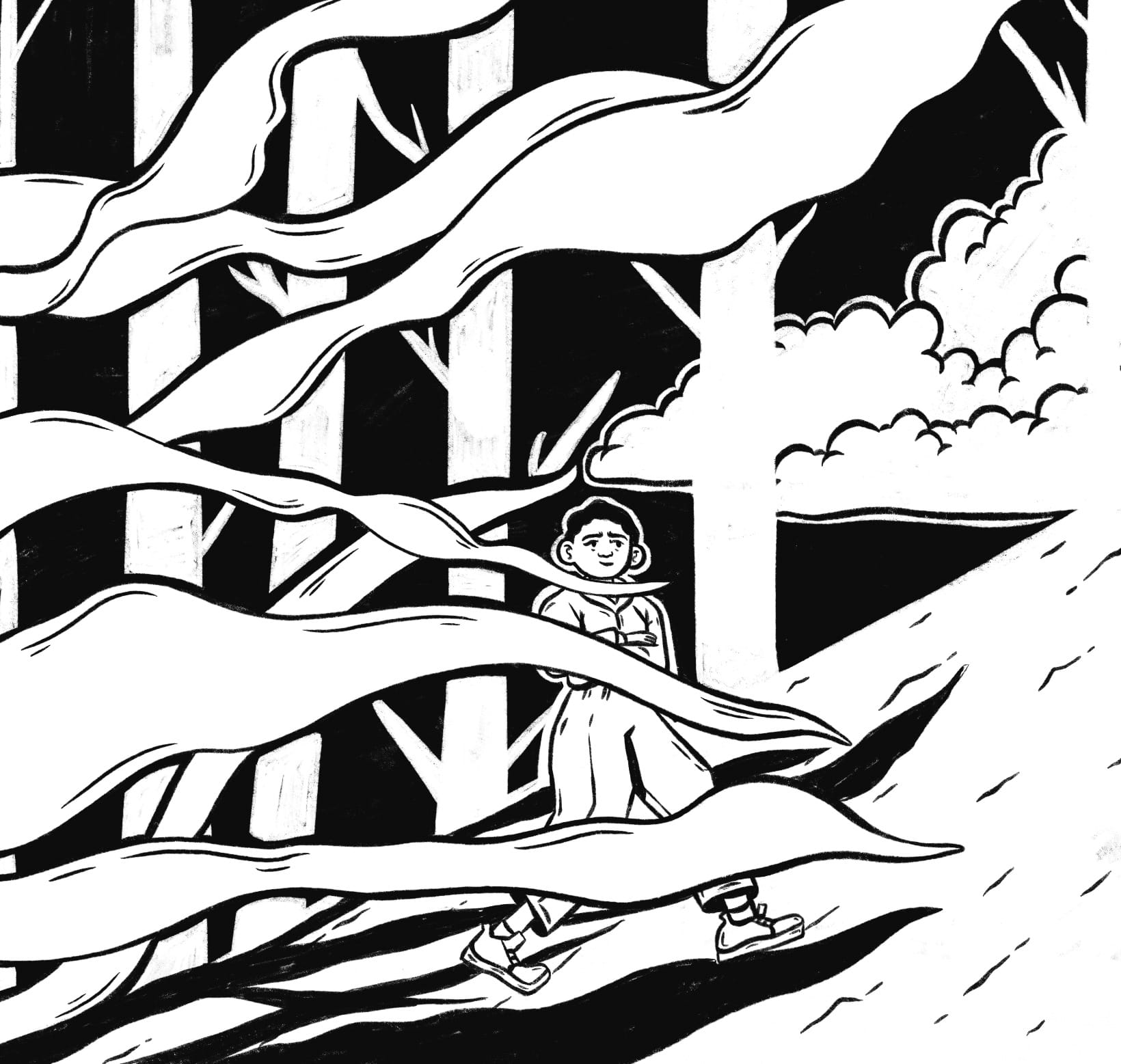
Burnout And The Neurodivergent Experience
Burnout looks different when you are neurodivergent — and yet it is rarely talked about that way. In this talk, Dr. Kerry Makin-Byrd draws on emerging research to explore why neurodivergent individuals face a distinctive and often compounding set of pathways to burnout, and what genuinely helps. Moving between individual experience and system-level change, Kerry examines the particular toll of masking, the importance of sensory attunement, and the kinds of practical and environmental supports that make sustainable living and working more possible.
This talk is for two audiences who often sit in the same room: people who are themselves neurodivergent and clinicians, coaches, and helpers who want a richer and more accurate framework for supporting them. The 45-minute introductory format offers an accessible, evidence-informed overview of the landscape — the risks, the signs, and a hopeful set of directions. The extended workshop format, currently in development, will offer a substantially deeper experiential and clinical component with more time for personal reflection, skills practice, and discussion of real-world application.