Medical care, trauma survivors, and doing better
Overview - MRI + trauma + WTF
Hi All, This is my smash and grab not-a-TED-talk about medical care, trauma survivors, and making sense of senselessness.
Sending you a quick and unvarnished email as it’s Monday night and three things collided:
- I’ve been teaching clients about proactive strategies for getting their health needs met in trauma-sensitive ways so my old days of training medical providers is on the brain.
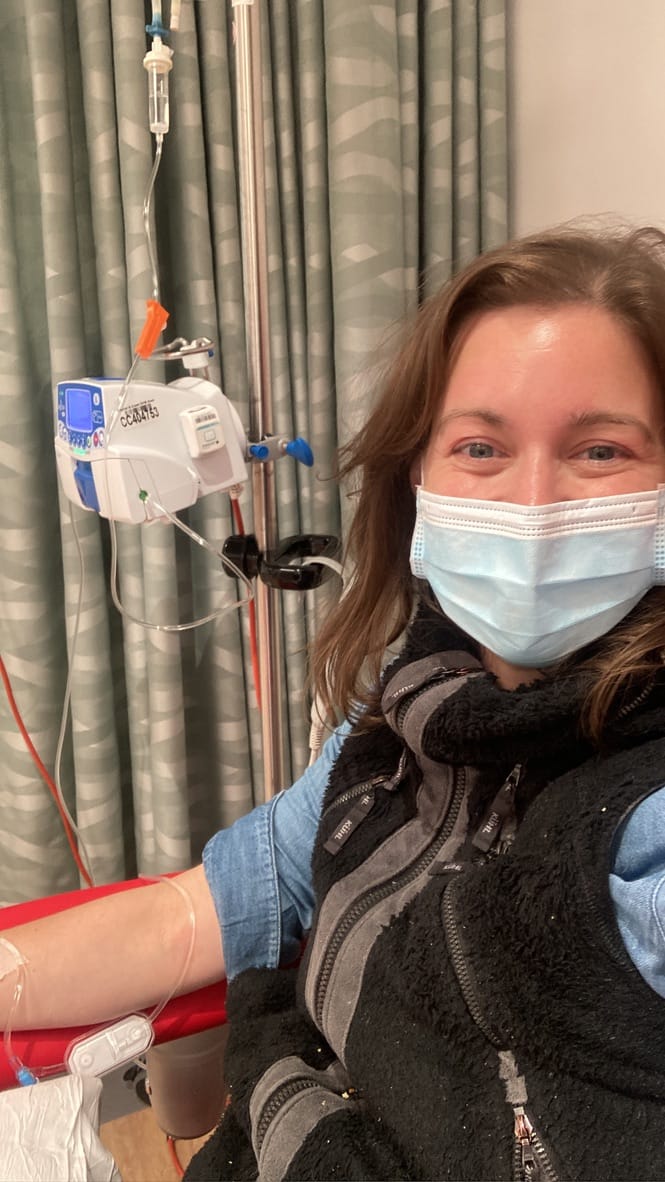
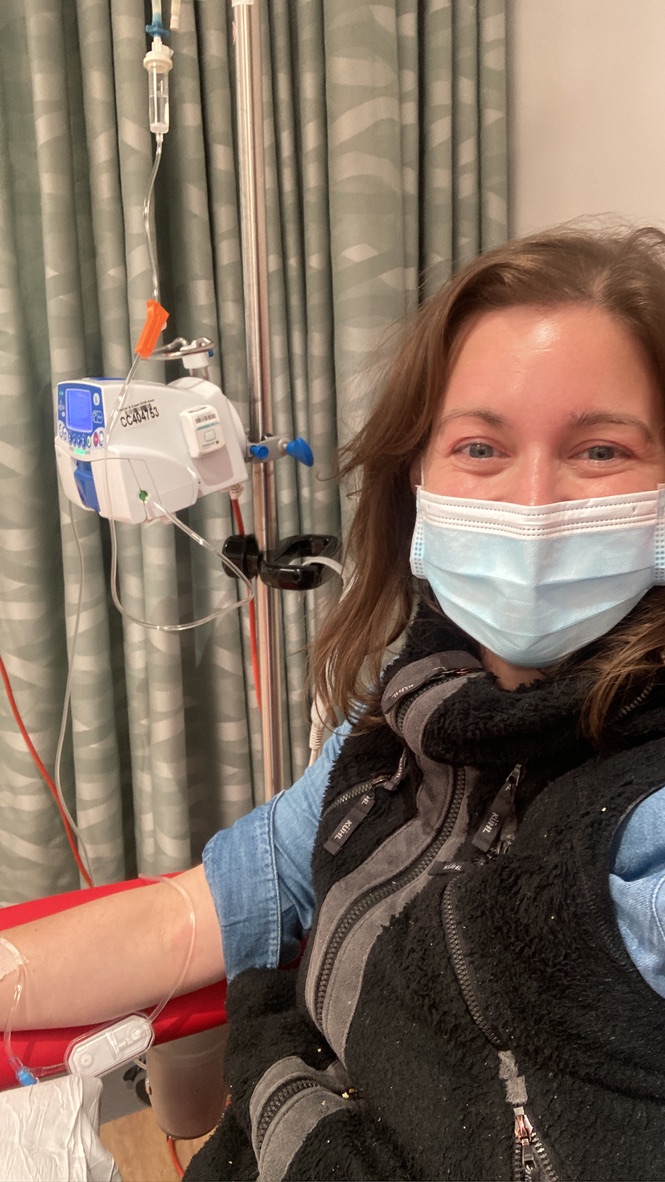
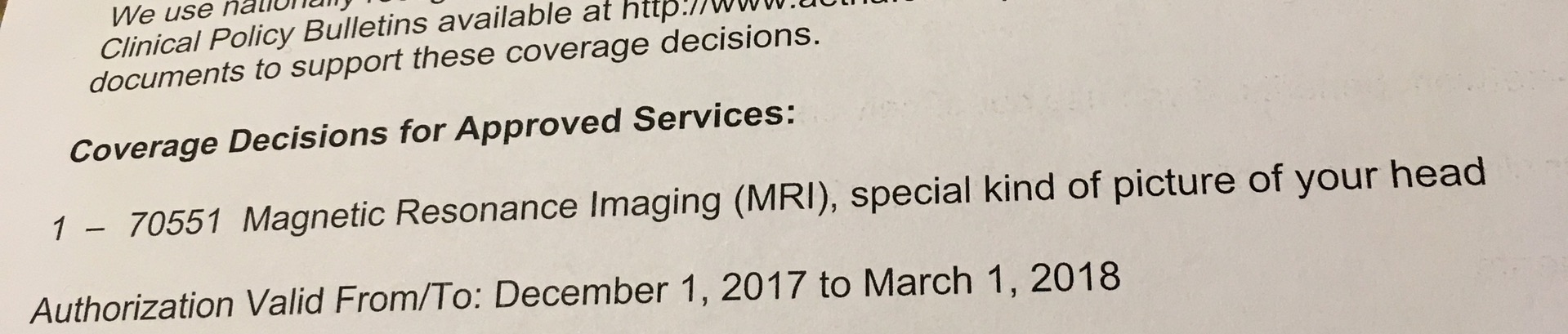
- I just got my annual MRI to monitor my chronic health condition.
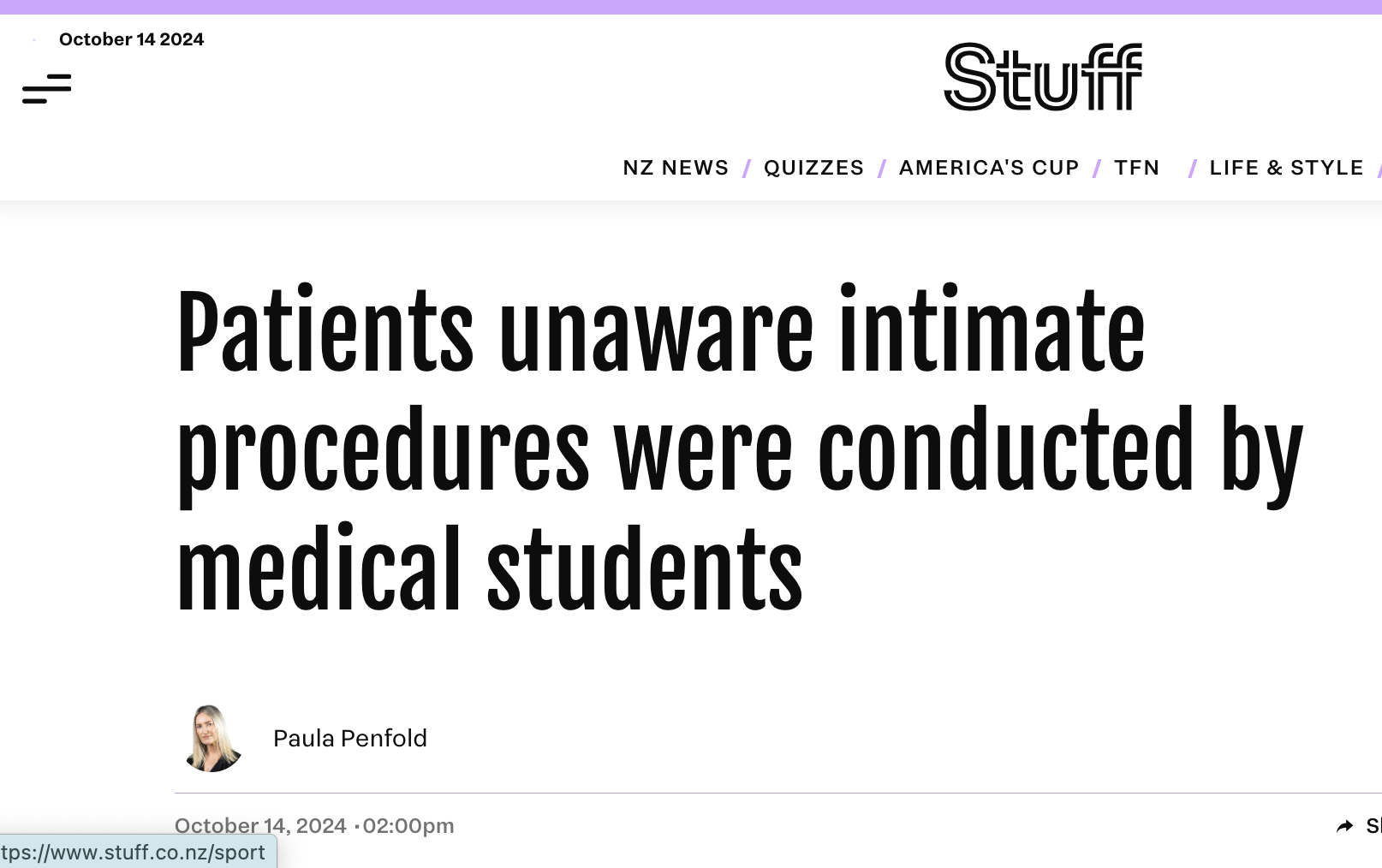
- Then I read this story of a hero nurse who reported dozens of cases of “trainee doctors and medical students provided obstetric and gynaecology services without patient consent.”
Human reaction first
Let’s just take a breathe to say what the actual f*ck?
While it is tempting to devolve into righteous judgement, our good friend1 Dr Sapolsky reminds us that righteous judgement is an easy dopamine hit but potentially not maximally useful or helpful (here, further described here, original source is his fabulous book Determined).
Let me connect with my basic emotions about this.
First, to the patients involved: I am so deeply sorry. What a miserable, outrageous, and inappropriate betrayal of your trust. It would make perfect sense if you were skeptical, scared, or avoidant of receiving health care in the future. And that is shit, that is so so unfair that your health may be compromised because of someone else’s actions. I am incredibly sorry.
you can share this with anyone!
To the nurse who reported this, thank you. THANK YOU THANK YOU THANK YOU. That was badass and brave and needed. I bet that wasn’t easy or convenient. “See something, say something” is easier said than done.
Dr Kerry ‘let’s think about systems’ reaction
Now to everyone: I’m going to say something uncomfortable. Something that I don’t want to say because it feels much harder and more complicated than blaming a single person.
And I deeply GET the urge to blame a single diaper bag. I still relish my first memory of kicking a med student out of my exam room. He was texting or emailing or just basically screwing around on his phone and I felt disrespected and vulnerable. And I was an educated white woman who was staff at the same hospital and was happy to use lots of privilege points to yell at him, kick him out, and accept the reality that my medical chart might now say “difficult patient.” BRING IT ON. Easier for me to say than lots of people, right?
AND I would be happy to bet there is at least one2 straight up psychopath in our medical system (every medical system!) who is relishing these manipulative, consent-less power plays.
BUT3 I am reminded of ‘s words:
I want you to think: if the tables were turned, what would it take for you to behave like this?….how high would the water mark have to go before you found yourself becoming a worse version of yourself in order to survive?…how fucking stressed out would you have to be?
There’s your answer.
Sigh. Do you see? For better or worse, I bet most of those trainee doctors and medical students didn’t wake up one morning and say “today I will take advantage of people without their consent.” I bet most of them are just normal people, trying their best, enjoying coffee, loving their mom, wishing they scrolled Instagram less and did more tramping. What would it take for you to behave like that?
You may remember, I wrote a whole damn book about how fractured systems shell out humans. What if the hardest truth is that something is so deeply wrong in these systems of care that non-psychopaths are doing things that are against their most deeply held morals just to get through the day and to stay on top of the paperwork?
That truth….even that possibility, that is worth pause - and inquiry - that is a fight worth having. To save ourselves, all of us, us as patients, us as providers.
Phew. Ok, my bedtime alarm just went off so I need to go to bed. Next time, I’ll tell you about my general tips for trauma-sensitive care, the patient version and the provider version.
Until then, this world’s a fixer upper4,
it might have good bones,
when we know better we do better5,
and I chose hope till I die.
Sending you lots of love, piles of sour gummies, and gorgeous night skies.
Kerrs