
Dear Person Having Medical Issues,
Listen to your own body. Treat yourself with the same respect and dignity that you would if a good friend.

Kia ora e hoa (hello friend!)
You’re receiving this because you signed up for my regular newsletter.

Today I’m starting a series where I write a letter to a composite character, typically inspired by conversations I’ve been having with clients, supervisees, friends and other loved ones in my work and personal life.
The person I’m writing to is an amalgamation of these experiences; I hope to offer advice that may be useful to many while respecting the privacy of my friends and the legally protected confidentiality of all people who I have the privilege of working with.
As always,
- (in latin) caveat lector,
- (in te reo Māori) kia tūpato, e te kaipānui,
- or in English let the reader beware!
Take what is useful to you, disregard the rest.
Feel free to share this with anyone experiencing medical problems.
Now that I’m well into middle age, it seems most of us have experienced medical problems or know someone who has. Chronic health problems, car accidents injuries, or cancer are just a few examples.
Here we are in the messy middle. This letter is for someone experiencing medical problems, written both with my psychologist hat on (and my hat as a frequent patient receiving care for multiple sclerosis).
Dear Darling, so you’re having medical issues.
Aroha mai, I’m sorry. Struggling with medical issues, explained or not, can be frustrating, overwhelming, and disorienting. I’m sorry this is happening to you.
It will cold comfort for me to gently say that you are not alone. And yet, you are not alone.
Far from alone, you are surrounded by legions of people who have experienced similar things.
If we do even a brief review of the rates of people experiencing known and unknown medical struggles during their lives, the prevalence rates are sobering. And flummoxing.
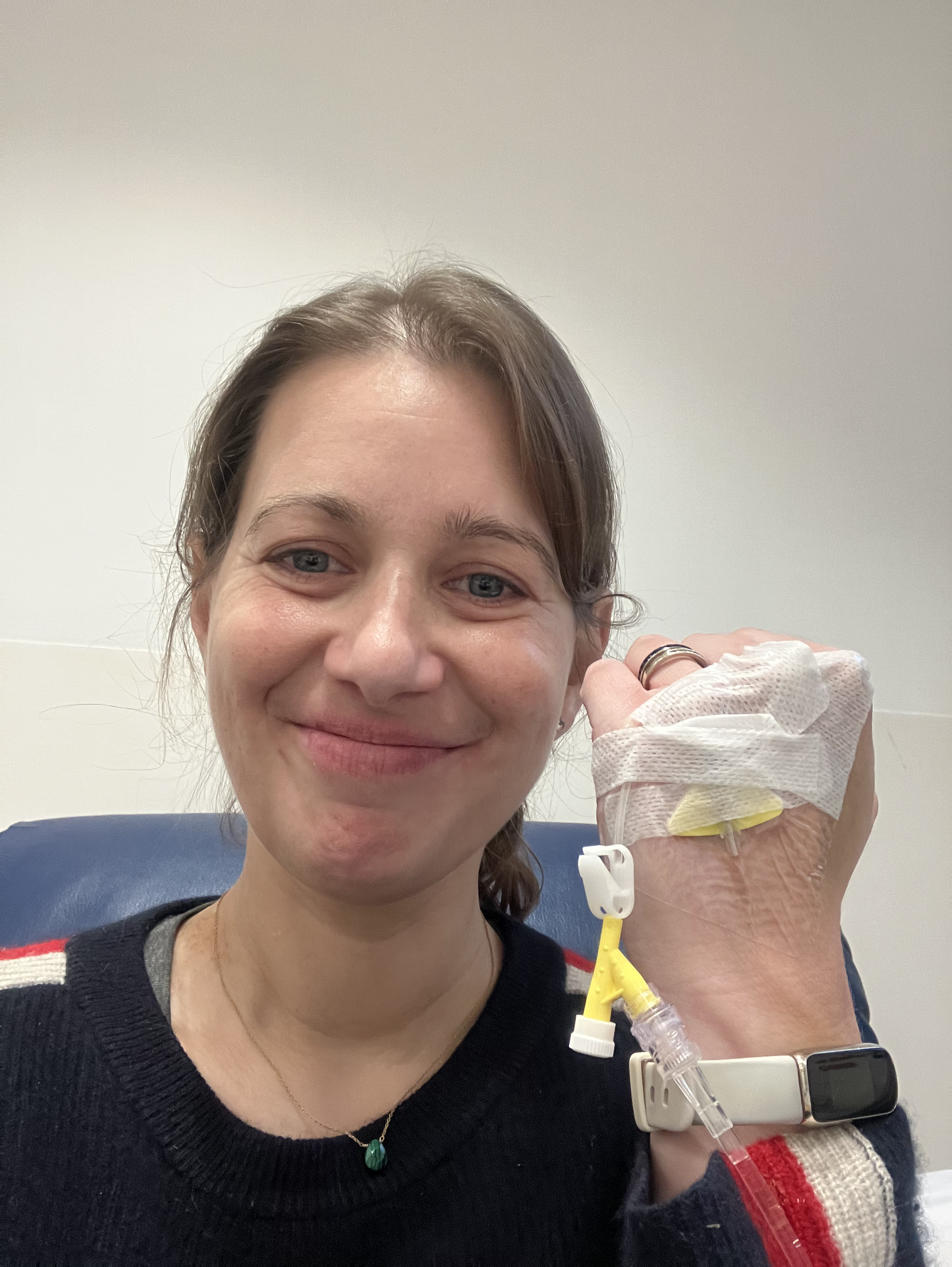
Here we stand, aching and numb, unbelieving that our pain is familiar to others, yet it is well known among our friends and neighbors. Why is this important?
Because it means that science and human wisdom have many lessons which can be useful for your own navigation of this challenging path.
For all people experiencing medical issues, here’s my advice:
Humble suggestion #1 Believe yourself
Listen to your own body. Treat yourself with the same respect and dignity that you would if a good friend said, “I just feel like something is off.”
Watch any tendency to do what an invalidating culture does to so many. Fight any urge to ignore or downplay your symptoms.
This delays care, fuels provider skepticism, and empowers a gaslighting voice that wants you to stay small, not get better.
Humble suggestion #2 Be realistic and clear-eyed about the medical system that you are in
No one is coming to save you.
I wish they were, I wish I could tell you that when we are tired all we need to do is relax back into the strong steady support of a wide thriving net of friends and family, bolstered with a well-funded and egalitarian public health system.
But this isn’t the world I live in, I expect it’s probably not the world you live in.
Unfortunately, what we know if that people are experiencing record levels of burnout (both your friends and your doctors and nurses). There is good science to demonstrate that women and non-white people receive less testing and less treatment than equally-sick men and White patients1.
Humble suggestion #3 Maybe you have more power than you think to make your treatment team
Part of me doesn’t want to even write about this. It reeks of privilege, “rich white woman suggests other people just make their own treatment team…right after she got done acknowledging that big parts of the medical system are struggling right now.”
And I will say, gently-quietly-with-a-feel-free-to-ignore-me-vibe, that sometimes we lose sight of the power we have, the agency we have. Here’s what I say to my clients who are trauma survivors. Not every helper is trauma sensitive, but some are. Many are. Let’s see if we can find them.
As an aside, I also think many providers want to be more trauma sensitive, to repair when care doesn’t land, and they can do that when we (or our supporters in the room) give them clear, direct feedback about what is and isn’t working.
So, maybe just play with this idea. If you had power and choice, who would you add to your care team? Are there friends, clergy, or teachers you’d love to ask for help?
Humble suggestion #4 Maybe this is a grief process
Notice the parts that break your heart. The parts of this experience that keep you up at night. Any places where things feel uniquely painful, personal, or you feel the strong urge to fight with reality.
What if it was all grief?
What if all your anger and denial and bargaining and heart break are so incredibly, beautifully human? What if you could hold it to you, knowing these waves of emotion are as natural as breathing, as digestion, as clotting?
That these emotions too are part of the heartbreaking breathtaking beauty and pain of life.
A wish for you
- May you experience moments of peace and delicious casseroles
- May you have warm feet for cold hospital floors, may your hospital gowns be flattering and close fully
- May you feel or receive love that is larger than the pain
- May the knowledge that things will change provide comfort in the midst of suffering
That’s it for today. Every one of these essays has the potential to be a book chapter some day so please feel free to reply to this email to tell me
- what I missed,
- what you want to hear more about,
- or what helped you when you were having medical problems.
Till we meet again. xx
Aroha (love), Kerry
Al Hamid, A., Beckett, R., Wilson, M., Jalal, Z., Cheema, E., Al-Jumeily Obe, D., Coombs, T., Ralebitso-Senior, K., & Assi, S. (2024). Gender Bias in Diagnosis, Prevention, and Treatment of Cardiovascular Diseases: A Systematic Review. Cureus, 16(2), e54264. https://doi.org/10.7759/cureus.54264
Ellenbogen MI, Weygandt PL, Newman-Toker DE, Anderson A, Rim N, Brotman DJ. Race and Ethnicity and Diagnostic Testing for Common Conditions in the Acute Care Setting. JAMA Netw Open. 2024;7(8):e2430306. doi:10.1001/jamanetworkopen.2024.30306
Hall, W. J., Chapman, M. V., Lee, K. M., Merino, Y. M., Thomas, T. W., Payne, B. K., ... & Coyne-Beasley, T. (2015). Implicit racial/ethnic bias among health care professionals and its influence on health care outcomes: a systematic review. American journal of public health, 105(12), e60-e76.
Salimah H. Meghani, Eeeseung Byun, Rollin M. Gallagher, Time to Take Stock: A Meta-Analysis and Systematic Review of Analgesic Treatment Disparities for Pain in the United States, Pain Medicine, Volume 13, Issue 2, February 2012, Pages 150–174, https://doi.org/10.1111/j.1526-4637.2011.01310.x ↩